Storage Unit Moving Guide for Loading Organizing and Transporting Items

Organized storage unit moving cuts damage, saves hours, and makes unloading far smoother. When boxes are packed by weight, furniture is wrapped, labels are clear, and fragile items stay separate from heavy ones, items survive transport in better shape and the truck holds more in less space. Smart loading also prevents shifting, scratches, and wasted square footage inside the unit itself.
- Safer loading for boxes and furniture through balanced weight distribution
- More organized packing before transport using inventory lists and zones
- Better space efficiency inside storage units and moving trucks
- Stronger protection for fragile, antique, or heavy items
- Easier unloading at the final destination with a clear labeling system
Storage unit moving often looks simple until the day arrives. Boxes get buried behind sofas, mattresses lean on glass tabletops, labels rub off, and the truck runs out of room with half the unit still packed. That kind of chaos leads to broken dishes, scratched wood, dented appliances, and slow unloading at the new address. Households juggling apartment moves, families downsizing, office managers rotating inventory, and students between semesters all face the same risks.
Hiring trained help from Two Men and Van brings structure, proper equipment, and field-tested loading skills to every kind of storage move.
What Makes Storage Unit Moving More Difficult Than Expected
Storage unit moving is harder than a standard home move because items have already been packed once, often stacked tightly, and shifted over months or years. Movers must navigate narrow corridors, weight imbalances, and forgotten fragile pieces hidden behind heavier furniture.
Most people underestimate how long it takes to safely pull items from a packed 10x20 unit. Boxes settle. Tape weakens. Plastic bins crack under pressure from stacked weight. Seasonal storage units in particular tend to mix holiday decor with patio furniture, creating awkward loading puzzles.
Conditions That Slow Down the Process
Tight aisles, low lighting, temperature shifts, and limited elevator access all add time. Commercial storage users dealing with file boxes or equipment racks face additional weight challenges that require dollies and straps.
Best Ways to Organize Items Before Loading a Storage Unit
Good organization starts before the truck arrives. Sort items by category, weight, and fragility so loading flows in a logical sequence. A short pre-load walkthrough saves hours on moving day and prevents last-minute scrambling.
- Group boxes by room or purpose, then stage them near the unit door
- Separate fragile items into a clearly marked zone away from heavy furniture
- Disassemble bed frames, tables, and shelves before move day to save truck space
- Keep an inventory list on your phone with photos of each major item
- Set aside tools, hardware bags, and packing tape in a single open bin
Solid pre move preparation keeps the entire process predictable. For larger built-ins or modular shelving, professional cabinet installation services can help reassemble units at the destination without missing hardware.
Loading Techniques That Help Prevent Damage During Transport
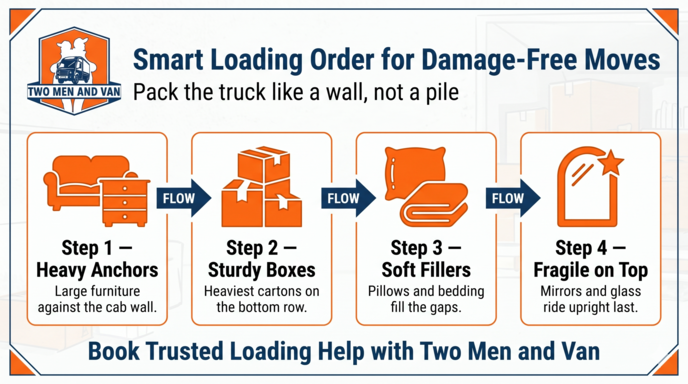
The right loading order keeps weight stable and protects fragile pieces. Always build the truck like a wall, starting with the heaviest furniture against the cab, then layering boxes and lighter items toward the back doors.
Wrap wood furniture in moving blankets and secure them with straps to the truck rails. Mattresses belong on their sides against a flat wall, never flat under heavy boxes. Glass tabletops, mirrors, and artwork should ride upright between padded soft items like cushions or wardrobe boxes.
For families managing garage overflow storage or seasonal gear, this technique prevents the common mistake of letting bikes, tools, and bins shift mid-drive.
Common Packing Mistakes That Waste Storage Space
Poor packing wastes storage square footage and increases the risk of crushed items. The most frequent issues involve mismatched box sizes, overstuffed cartons, and empty air pockets that collapse under weight.
| Common Mistake | Result | Better Approach |
|---|---|---|
| Using random box sizes | Unstable stacks, tipping | Standard uniform boxes |
| Overpacking heavy items | Torn bottoms, back strain | Books in small boxes only |
| Leaving air gaps | Crushed contents | Fill with paper or linens |
| Stacking fragile on bottom | Broken glass and ceramics | Fragile items go on top |
| Skipping furniture wrap | Scratches and dents | Blankets and stretch wrap |
Ordering the right supplies through packing supply delivery prevents most of these issues before the first item gets loaded. Reviewing storage shed mistakes is also useful for anyone storing items in backyard structures rather than rented units.
How Heavy Furniture and Equipment Should Be Handled Safely
Heavy furniture needs disassembly, the right equipment, and at least two people. Skipping these steps causes back injuries, damaged floors, and broken frames. Sectionals, wardrobes, treadmills, and filing cabinets each have specific handling needs.
- Use furniture dollies and lifting straps for items over 50 pounds
- Disassemble bed frames, wardrobes, and large desks before lifting
- Empty filing cabinets and tool chests completely before moving
- Protect doorways and corners with padding or cardboard
- Keep hardware in labeled zip bags taped to the matching piece
A solid heavy furniture disassembly approach makes large items easier to load and rebuild. Offices moving rows of commercial storage cabinets should plan for extra dolly time and clear aisle width.
Smart Labeling Systems That Make Unloading Easier
A clear labeling system turns unloading from guesswork into a quick sort. Label every box on at least two sides with the destination room, contents summary, and a fragility note when needed.
- Use color-coded stickers for each room or zone
- Number boxes and match them to an inventory sheet
- Mark fragile boxes on the top and all four sides
- Indicate which boxes should be unloaded first at the new location
- Keep an essentials box clearly marked for immediate access
This kind of system pays off most during long-distance or multi-stop moves, when boxes from different rooms get mixed during transit.
Storage Unit Layout Tips for Faster Access and Better Protection
Storage unit moving is the process of organizing, packing, loading, transporting, and unloading items from a storage unit so furniture, boxes, equipment, and fragile belongings stay protected and accessible. The layout inside the unit directly affects how easy that process becomes later.
Leave a center aisle so you can reach back-row items without unloading the front. Place tall furniture against side walls, stack identical boxes in stable columns, and keep frequently used items near the door. Smart storage space setup makes future visits faster and reduces the risk of toppled stacks. For inspiration on shelving and bin systems, browse storage organization ideas and consider shelving installation services for stockrooms or garages.
When Professional Movers Help Reduce Stress and Damage
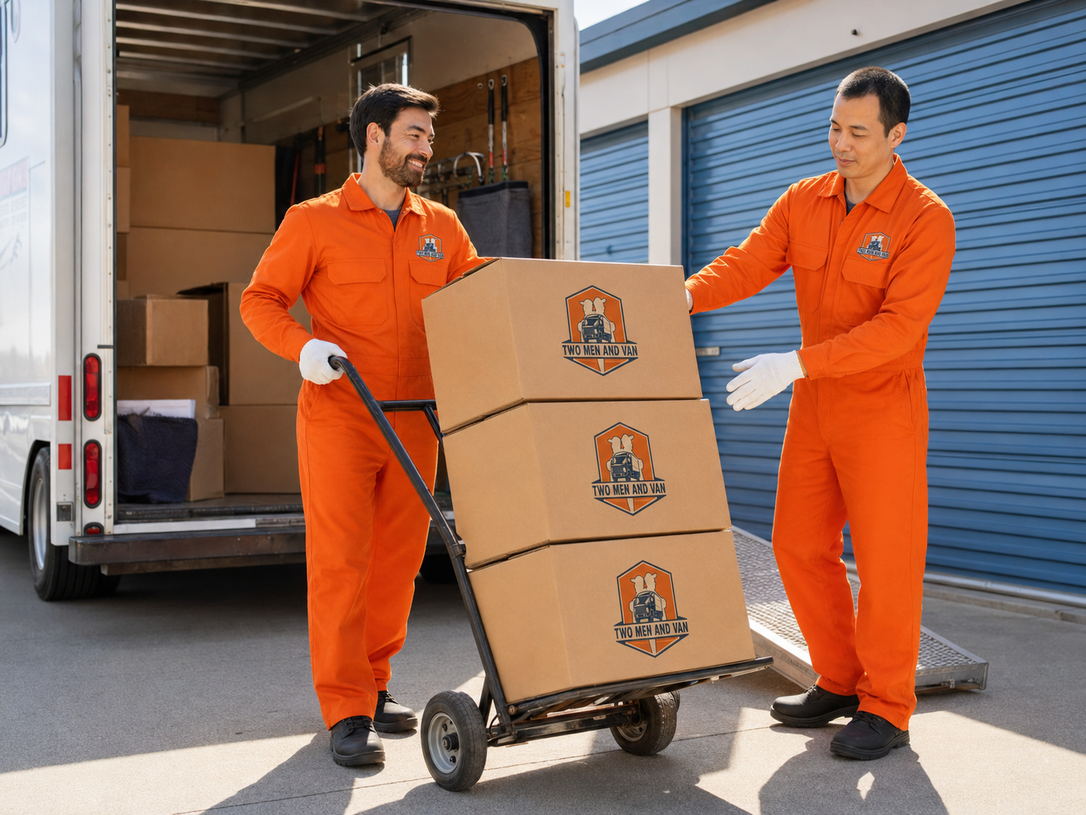
Professional storage unit movers reduce stress when timelines are tight, items are heavy, or the move involves multiple floors and long carries. Trained crews bring dollies, straps, blankets, and the muscle memory to load efficiently in any truck size.
Apartment renters with elevator windows, families downsizing into smaller homes, and businesses rotating inventory all benefit from outside help. Explore moving service options to match the right crew size to the job. For document storage and office moves, reviewing filing cabinet safety helps prevent common workplace injuries during transport.
What to Check Before Transporting Items Long Distance
Long-distance storage transport requires extra preparation because items spend more hours in motion. Confirm insurance coverage, secure all loose pieces, and inspect the truck before departure.
- Verify mover credentials and review the federal moving rights guide
- Photograph valuables before loading for claim documentation
- Use ratchet straps to lock down large furniture against truck walls
- Avoid storing liquids, perishables, or pressurized containers
- Know how to report lost damaged items if something goes wrong
Get Reliable Help for Storage Unit Moving and Organization
Two Men and Van delivers organized loading, safe transport, and efficient storage setup for every kind of move. Whether you are clearing a unit after a downsizing season, rotating commercial inventory, or relocating across town, the crew brings packing support, careful handling, and the right equipment.
Reach out today to contact Two Men and book a slot that fits your schedule. The team also coordinates with trusted partners for specialty repair support on damaged outdoor gear and in-ground goal removal when clearing yards before storage transport.
Frequently Asked Questions About Storage Unit Moving
How do you organize a storage unit before moving?
Start by sorting items into categories such as fragile, heavy, and seasonal. Stage everything near the unit door in the order it will load onto the truck. A written inventory makes the day faster and reduces missed items.
What should be loaded first in a moving truck?
Load the heaviest furniture first against the front wall closest to the cab. This anchors the load and balances weight over the axles. Lighter boxes and fragile items go on top or near the back doors.
How do you protect furniture in storage units?
Wrap each piece in moving blankets and use stretch film to hold padding in place. Keep wood items off concrete floors using pallets or cardboard. Cover upholstered furniture with breathable fabric covers rather than plastic to prevent moisture buildup.
Do movers help with storage organization?
Yes, trained movers can arrange items inside a unit for easy access and maximum space efficiency. They build stable stacks, leave an aisle, and place frequently used items near the door. This service often saves time on future visits.
How do you move heavy furniture safely?
Disassemble large pieces whenever possible and use dollies, straps, and at least two people for each item. Protect doorways with padding and clear the path before lifting. Keep your back straight and lift with your legs to avoid injury.
How should boxes be labeled for storage moving?
Mark each box on two sides with the room, contents, and a fragility note. Use color-coded stickers or numbers tied to an inventory list. This system speeds up unloading and helps locate items later.
What mistakes cause damage during storage transport?
The biggest causes are overpacked boxes, unsecured furniture, and stacking heavy items on fragile ones. Failing to wrap wood and glass also leads to scratches and breaks. Slow driving and proper strapping prevent most in-transit damage.
Connect With Us
Stay connected with us for moving tips, customer stories, special promotions, and behind-the-scenes content. Follow Two Men and Van on social media to get helpful advice and updates on our services across Maryland, DC, Northern Virginia, Pennsylvania, and Delaware.
- Facebook - Join our community for moving tips and seasonal offers
- Instagram - See real moves, packing hacks, and customer testimonials
- Instagram Washington - Follow our Washington area team for local moving insights
Get inspired, ask questions, and see why thousands of customers trust Two Men and Van for their interstate and local moves.