How White Glove Movers Protect Pianos, Safes, and Antiques During Local Relocations
Before a move begins, white glove movers typically assess the item, its route, and the protection and equipment it needs. They also plan the loading order, transport conditions, and final placement. Pianos, safes, antiques, and artwork call for different handling based on their weight, fragility, construction, dimensions, and access at both properties.
- Inspect each item for weak spots or loose parts.
- Measure the full route at pickup and delivery.
- Protect floors, doorframes, and nearby walls.
- Match padding and moving equipment to the item.
- Plan the loading order and final placement early.
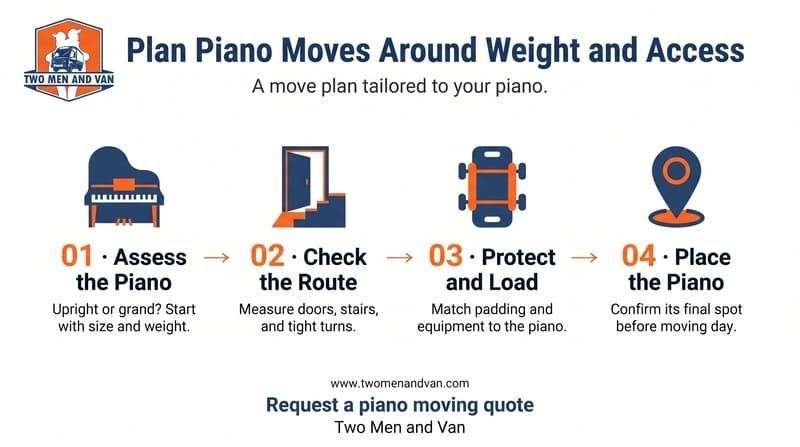
Plan Piano Moves Around Weight and Access
Pianos need more planning than boxes or lightweight furniture. White glove movers start with the piano type, size, and weight, then check doorways, stairs, and the space around each turn. Those details guide the choice of padding, moving equipment, and loading position.
Even a short move can pose several challenges. A piano can be sensitive to rough handling and changes in heat or humidity. A heavy safe may need equipment that can manage its weight on stairs. An antique may have weak joints, fragile glass, or trim that can loosen during a lift.
White glove movers provide added planning, protection, handling, and placement for fragile, valuable, oversized, or heavy household items. Planning each piece separately helps the crew choose suitable protection and prepare the destination before loading.
Upright and Grand Pianos
An upright may travel upright on suitable equipment, but the crew should not assume its casters can handle thresholds or a long roll. On a grand, the crew may remove the legs and pedal assembly and use a padded piano moving board. The method depends on the model, size, and route. Follow manufacturer or piano technician guidance when it applies.
- Protect parts that can shift or catch. Check how the keyboard cover closes and protect the pedals, legs, and casters as the design allows. Use clean moving blankets to shield the finish without putting pressure on delicate parts.
- Check the tightest point in the route. A piano may fit through a doorway but lack room to turn at the next stair landing. Plan floor protection around the route the crew will use.
- Plan the position in the vehicle and the room. The crew should know how the piano will sit in the vehicle, how it will be secured, and where it belongs after unloading.
For a rowhouse piano move in Washington, DC, send photos of the entry steps and stair landings when arranging professional piano moving services. At delivery, choose a spot away from direct sun and heating vents where possible. Even a short trip can bring a change in temperature or humidity, and the new room matters after the move.
Move Heavy Safes With the Right Equipment
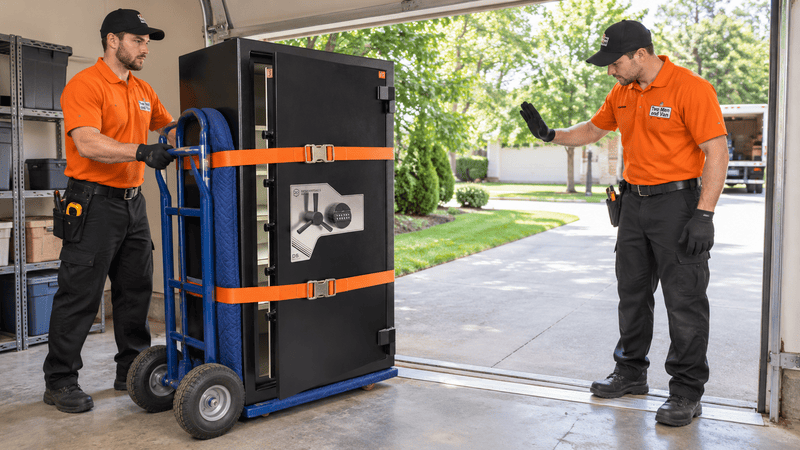
Heavy safes call for a plan built around load and control. Movers need the safe’s dimensions and weight, plus a clear picture of stairs, thresholds, corners, and floor strength. These details help determine whether a heavy-duty dolly is suitable or the job needs a separate assessment.
A small safe can still put a heavy load on the floor. Floor covers may prevent scuffs, but they do not make a weak floor stronger. If the floor or stairs cannot be assessed with confidence, get qualified advice before committing to the route or placement.
- Share the make, model, dimensions, and documented weight. Let the mover know if the safe is anchored or if any hardware sticks out. Those details can affect preparation and clearance.
- Show the route from the room to the vehicle. Include doorways, steps, landings, and any sharp turns. A sloped drive or a long carry from the loading area can change the equipment plan.
- Confirm the final location. Check how much room the safe door needs to open. Flag any concerns about the floor beneath the safe or along the route.
Very heavy or unusual safes may need a specialist to assess the item, the property, and the vehicle loading setup. Some jobs may call for rigging, which means using lifting gear to control a load. Not every crew takes on that work. Confirm what the mover can handle before booking.
Protect Antiques Before the First Lift
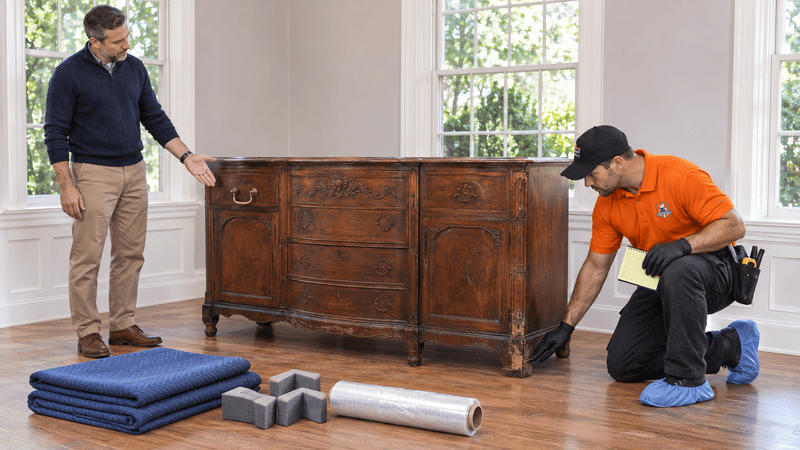
Antique movers should check the condition of a piece before lifting or wrapping it. Loose joints, lifting veneer, old repairs, and fragile trim can change where the crew grips and supports the piece. Artwork needs the same attention to frames, glass, and painted surfaces before anyone adds padding.
At a Maryland estate relocation, a tall display cabinet may look sturdy until the crew notices a loose shelf or an old repair at the base. Photograph existing wear and flag loose parts before work starts. That gives everyone a clear record and helps the crew plan the lift around sound parts of the piece.
- Choose strong lift points. Avoid pulling on carved trim, arms, handles, or other parts that may not bear weight.
- Match the wrap to the finish. Clean blankets can help reduce scuffs on sturdy surfaces. Painted, polished, or lifting finishes may need a suitable barrier and less direct pressure.
- Protect vulnerable edges and loose parts. Use corner guards where they fit without pressing on raised details. If glass shelves or other components can come out safely, pack and label them separately.
For an oversized armoire, professional antique furniture disassembly may make sense if the piece can come apart without forcing old joints. Some antiques are better moved intact. The piece’s condition, not just the width of the door, should guide that call.
Our Piano, Art, and Antique Team
Two Men and Van helps customers plan local piano moves, prepare delicate furniture, and coordinate loading and placement. Its artwork and antique moving services can help match protective padding and floor protection to the piece and the route. For a single fragile delivery or a project with several heavy and delicate items, discuss what its white glove delivery services can cover before moving day.
Use Crating When Fragile Items Need More Protection
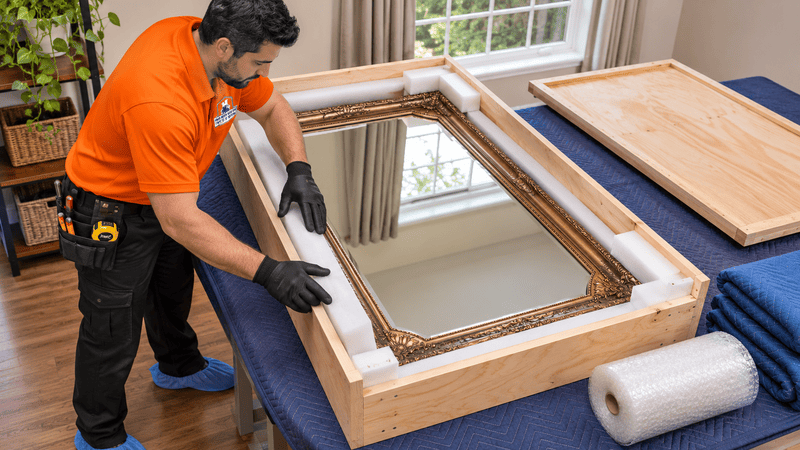
Specialty crating adds a rigid outer shell when wrapping alone may not offer enough protection. A crate can help shield a large framed piece, glass panel, or fragile object while the crew handles and transports it. The right choice depends on the item, the route, and how the crew will unpack it.
A custom-sized crate should support the piece at suitable points and leave room for internal padding. The padding helps limit movement without bearing on raised details or fragile surfaces. On the outside, clear handling labels can show which way is up and how the crew should orient the crate in transit.
| Item | When a crate may make sense | What to check before moving |
|---|---|---|
| Large framed art or mirror | The frame or glass needs more support than padded wrapping alone can offer | Support points, clearance from the face, and travel orientation |
| Fragile decorative object | Protruding details could catch or bear weight inside a soft wrap | Where inner padding can rest without pressing on delicate parts |
| Detached antique component | A carved panel or glass door needs its own rigid shell | Packed dimensions and where the crew can unpack it at delivery |
Not every item needs a custom crate. For example, a sturdy framed print may travel in a fitted art carton with suitable corner protection. For a large mirror going to a Pennsylvania home, measure the packed dimensions against the destination route. A crate that fits through the front door may still be too deep for the final hallway turn.
Limit Environmental Exposure During Transport
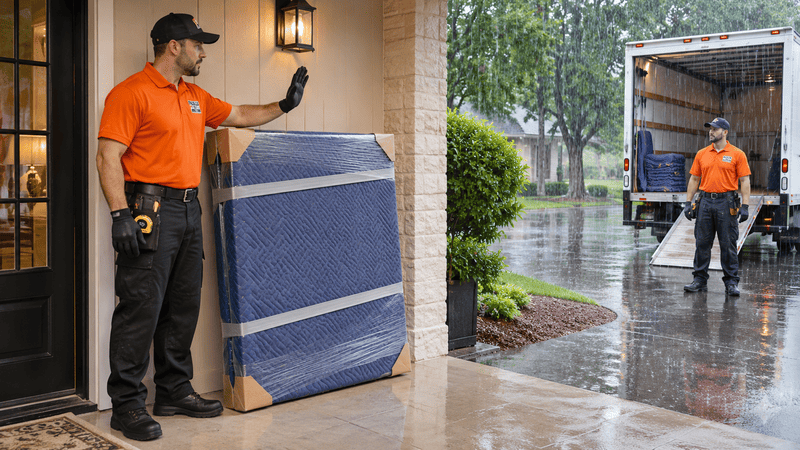
Climate-conscious transport means planning to limit avoidable exposure to heat, cold, humidity, rain, and direct sunlight. It does not mean the vehicle or storage space holds a set temperature or humidity level. Even on a local move, loading delays and time spent outdoors can matter for pianos, artwork, wood furniture, and sensitive finishes.
A short drive does not help much if a framed piece spends half an hour on a wet loading dock. Likewise, hot sun can warm a vehicle while the crew waits for access. Talk through the move timing, vehicle conditions, and handoff at both ends so delicate items spend less time waiting outside.
- Check the forecast and the loading setup. For a Delaware antique move on a rainy day, identify covered staging space or keep pieces indoors until the vehicle is ready.
- Plan loading and unloading together. Give heavy pieces stable positions and secure them apart from fragile items. Arrange the load so a crate can come out without shifting heavy pieces or unpacking the truck around it.
- Ask about any storage between stops. If a delay could require temporary storage, ask what conditions the space maintains. Raise any specific temperature or humidity needs before booking.
Measure the Property Before Specialty Moving Day
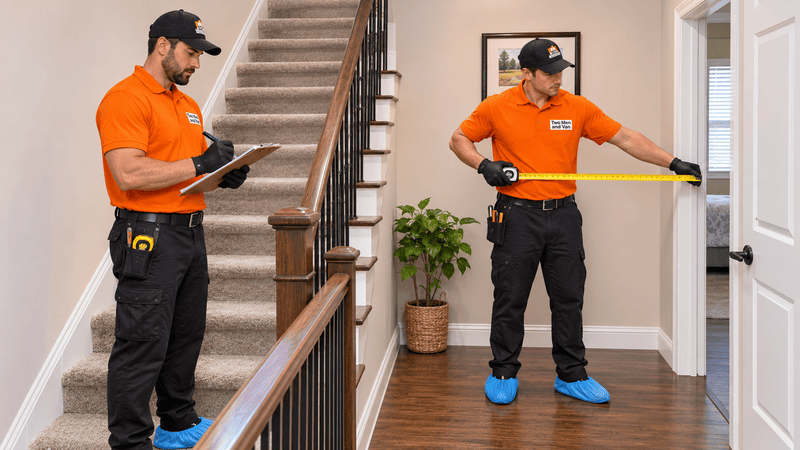
Measure the full route before moving day whenever possible, including the last turn into the destination room. Door width alone will not tell you whether a padded cabinet or piano can clear a railing, turn on a stair landing, or fit through a freight elevator door.
Check Both Ends of the Move
For a Northern Virginia high-rise move, confirm the freight elevator and loading dock rules with building staff. Ask the property manager or landlord which floor and wall coverings the building requires. If specialty items are part of a larger apartment move, include them in the scope of your professional residential moving services.
- Measure usable space. Check doorways, hallways, stair width, landings, ceiling clearance, and the elevator opening and interior. Note where railings, door handles, or tight corners reduce room to turn.
- Check the loading approach. Confirm parking, dock access, elevator reservations, and the path from the vehicle to the building. Flag uneven thresholds or steps at either address.
- Protect surfaces along the route. Discuss suitable floor covers, doorway pads, and wall protection at pinch points. When measuring, allow space for the item’s padding and the equipment that will carry it.
Avoid Costly Handling Mistakes
Skipping measurements or using thin padding can turn a simple carry into a last-minute problem. Lifting from weak furniture points or overlooking loose parts adds risk before the item even reaches the truck. Dragging heavy pieces, using unsuitable equipment, or skipping floor protection can damage the property as well as the item.
Poor loading order may force the crew to handle fragile pieces twice. Ignoring the forecast can leave them waiting in rain or sun. Rushing a stair turn or leaving final placement undecided adds more work at the end. Specialty items often need a slower pace than ordinary household goods, especially on stairs and at tight corners.
When to Bring In Specialty Movers
Professional help can reduce guesswork when a piano, safe, or heavy piece of furniture needs to clear tight stairs. It can also help when a fragile heirloom or large framed piece needs careful placement. For estate managers or families moving several antiques and artworks at once, one plan can coordinate protection, access, loading order, and who will direct placement.
Specialty Moving Cost Factors
Pricing depends on the items, access at both addresses, travel distance, and the services you request. Item type, size, weight, fragility, and the number of pieces all affect the scope. So do stairs, elevator bookings, building restrictions, and the work needed to place items in their final rooms.
Crating, added padding, heavy-item equipment, and the need for more movers can also affect the quote. Send dimensions, photos, and any known weights up front. Include the hardest turn or stair landing, not just a photo of the front door.
Book White Glove Movers Today
Moving a piano, safe, or heirloom in Washington, DC, Maryland, Northern Virginia, Delaware, or Pennsylvania?
Our white glove movers can help assess your items, plan access, protect fragile surfaces, and coordinate heavy-item handling and final placement before moving day. Explore our specialty moving and delivery services, then request a white glove moving quote with photos, dimensions, and access details.
Frequently Asked Questions
What do white glove movers do differently?
White glove movers match preparation, protective materials, equipment, and final placement to the needs of each specialty item.
Can white glove movers handle upright and grand pianos?
Yes, piano movers plan the lift and transport around the instrument’s design, size, and access at both locations.
How do movers protect antiques during a local move?
Movers check for weak joints and loose parts, then choose suitable wrapping, padding, corner guards, or crating.
Can movers relocate a heavy safe upstairs?
It depends on the safe’s weight, the stair layout, structural support, and the equipment needed to control the load.
When should I book white glove moving services?
Get in touch once you know your items and addresses, especially if you need crating or a freight elevator reservation.
Connect With Us
Stay connected with us for moving tips, customer stories, special promotions, and behind-the-scenes content. Follow Two Men and Van on social media to get helpful advice and updates on our services across Maryland, DC, Northern Virginia, Pennsylvania, and Delaware.
- Facebook - Join our community for moving tips and seasonal offers
- Instagram - See real moves, packing hacks, and customer testimonials
- Instagram Washington - Follow our Washington area team for local moving insights
Get inspired, ask questions, and see why thousands of customers trust Two Men and Van for their interstate and local moves.